Ideathon៖ ការកសាងទំនុកចិត្តតាមរយៈគំនិត
ខ្ញុំចាំបានយ៉ាងច្បាស់។ ប្រហែលពីរឆ្នាំមុន បន្ទាប់ពីទើបបញ្ចប់ថ្នាក់វិទ្យាល័យ ខ្ញុំបានព្យាយាមដាក់ពាក្យចូលកម្មវិធីផ្លាស់ប្តូរ និងអាហារូបករណ៍ទៅក្រៅប្រទេសជាលើកដំបូង។ ខ្ញុំមានអារម្មណ៍រំភើបផង ភ័យខ្លាចផង និងមានក្តីសង្ឃឹមក្នុងពេលតែមួយ។ ប៉ុន្តែ ខ្ញុំមិនទាន់បានដាក់ពាក្យសូម្បីតែមួយផង។ មិនមែនព្រោះខ្ញុំខ្ជិល ឬខ្លាចទេ ប៉ុន្តែដោយសារសំណួរមួយ៖ «សូមប្រាប់អំពីបទពិសោធន៍ និងសមិទ្ធផលនៃសកម្មភាពសិក្សាបន្ថែមក្រៅកម្មវិធីសិក្សារបស់អ្នក»។ ខ្ញុំគាំងគំនិតចំពោះសំណួរនោះ។ ខ្ញុំមិនមានបទពិសោធន៍អ្វីឡើយ ហើយវាបានប៉ះពាល់ចិត្តខ្ញុំយ៉ាងខ្លាំង។ ចាប់ពីពេលនោះមក ខ្ញុំបានសម្រេចចិត្តមិនអោយឱកាសរួចផុតពីដៃទៀតឡើយ។ ខ្ញុំចាប់ផ្តើមចូលរួមក្នុងការងារស្ម័គ្រចិត្ត សកម្មភាពសិក្សាបន្ថែមក្រៅកម្មវិធីសិក្សា ព្រឹត្តិការណ៍ និងការប្រកួតផ្សេងៗ។ ទោះបីជាយ៉ាងណា ម្តងហើយម្តងទៀត ខ្ញុំតែងមានអារម្មណ៍វិជ្ជមានពេលចូលរួម ប៉ុន្តែលទ្ធផលដែលទទួលបានវិញគឺដដែលការបរាជ័យ។
ចុងក្រោយ ខ្ញុំបានប្រាប់ខ្លួនឯងឱ្យបោះបង់ ហើយខ្ញុំក៏បានធ្វើដូច្នោះ។ រហូតដល់ព្រឹកមួយ ខ្ញុំបានឃើញសេចក្តីប្រកាសពី អង្គការទិន្នន័យអំពីការអភិវឌ្ឍ (អូឌីស៊ី) អំពីការប្រកួត «Ideathon អំពីបញ្ញាសិប្បនិម្មិតសម្រាប់បរិយាប័ន្នយេនឌ័រ»។ ខ្ញុំបានផ្ញើវាទៅមិត្តភក្តិរបស់ខ្ញុំភ្លាមៗ ដោយមិនបានរំពឹងអ្វីច្រើនទេ។ នៅពេលនោះ ពួកយើងក៏មិនទាន់មានគំនិតសម្រាប់ Ideathon ផងដែរ ប៉ុន្តែយើងក៏សម្រេចចិត្តជួបគ្នា នៅយប់ចុងក្រោយមុនថ្ងៃផុតកំណត់ដាក់ពាក្យ។ បន្ទាប់ពីអានបញ្ហាដែលបានផ្ដល់ឡើងវិញ ពួកយើងបានរកឃើញគំនិតមួយដែលទាក់ទាញចិត្តយ៉ាងខ្លាំង គឺ «តើយើងអាចទប់ស្កាតភាពលំអៀងយេនឌ័រ នៅក្នុងទិន្នន័យ អាល់ហ្គូរីធម និងការសម្រេចចិត្តរបស់បញ្ញាសិប្បនិម្មិត (AI) ដោយរបៀបណា?»។
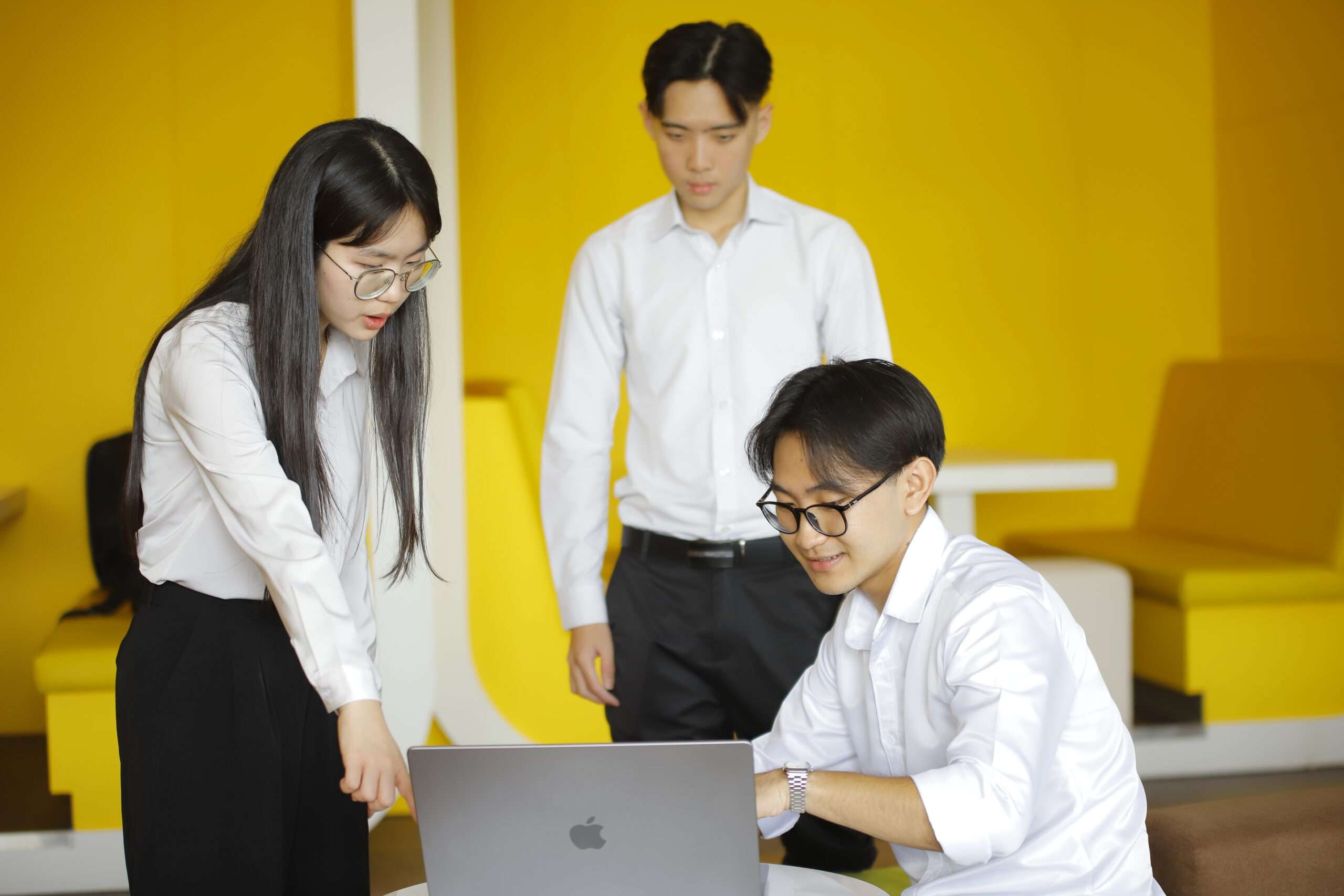
ពួកយើងបានគិតឃើញគំនិតមួយ គឺបង្កើតឧបករណ៍សម្រាប់ឱ្យអ្នកប្រើប្រាស់អាចសាកល្បង និងពិនិត្យមើលទិន្នន័យ និងប្រព័ន្ធបញ្ញាសិប្បនិម្មិត (AI) របស់ពួកគេ ដើម្បីស្វែងរកភាពលំអៀងដែលអាចកើតមាន។ ដោយសារពេលវេលាមានកំណត់ ពួកយើងបានបែងចែកការងារយ៉ាងឆាប់រហ័ស និងស្រាវជ្រាវបន្ថែមលើប្រធានបទនេះ។ ព្រឹកថ្ងៃបន្ទាប់ ពួកយើងបានដាក់ពាក្យ ហើយនៅពេលល្ងាចថ្ងៃដដែល ពួកយើងបានទទួលអ៊ីមែលបញ្ជាក់ថា ក្រុមរបស់ពួកយើងត្រូវបានជ្រើសរើសចូលក្នុងវគ្គជម្រុះ។
ពួកយើងមានអារម្មណ៍រំភើប ប៉ុន្តែក៏មានការភ័យខ្លាចផងដែរ។ ពួកយើងមានពេលយ៉ាងយូរ ៣ថ្ងៃ ដើម្បីត្រៀមការបង្ហាញចុងក្រោយ ដែលរួមមានស្លាយ អនុសាសន៍គោលនយោបាយ និងផលិតផលគំរូ។ លើសពីនេះទៅទៀត ខ្ញុំក៏មានការប្រឡងនៅសាកលវិទ្យាល័យក្នុងសប្ដាហ៍ដូចគ្នានោះផងដែរ។ នោះជាសប្ដាហ៍មួយដែលមានសម្ពាធខ្លាំងបំផុតក្នុងជីវិតខ្ញុំ ប៉ុន្តែក៏ជាសប្ដាហ៍ដែលមានតម្លៃខ្លាំងបំផុតផងដែរ។ ក្នុងអំឡុងពេលនោះ ពួកយើងក៏មានសំណាងបានជួបអ្នកណែនាំរបស់ពួកយើង គឺលោក Dixon Siu ដែលបានគាំទ្រ និងលើកទឹកចិត្តពួកយើងយ៉ាងខ្លាំង។
នៅថ្ងៃប្រកួត ពួកយើងបានជួបពិភាក្សាជាមួយអ្នកណែនាំរបស់ពួកយើង ហើយត្រៀមខ្លួនរួចរាល់សម្រាប់ការធ្វើបទបង្ហាញ។ បន្ទាប់ពីបញ្ចប់បទបង្ហាញ រឿងដែលនឹកស្មានមិនដល់បានកើតឡើង គឺគ្មានគណៈកម្មការណាម្នាក់សួរសំណួរមកកាន់ពួកយើងឡើយ។
បន្ទាប់មក ពួកយើងត្រូវបានសួរសំណួរតែមួយប៉ុណ្ណោះ ហើយក៏ចប់តែម្តង។ នៅពេលនោះ ក្នុងគំនិតរបស់ពួកយើង មានតែពីរសេណារីយ៉ូប៉ុណ្ណោះ៖ ទីមួយ គឺគណៈកម្មការពិតជាមិនមានសំណួរឡើយ ឬមួយទៀត គឺពួកយើងបានធ្វើឱ្យគេច្របូកច្របល់ដល់ថ្នាក់មិនដឹងថាត្រូវចាប់ផ្តើមពីណាទៅណា។ ទោះបីជាយ៉ាងណា ខ្ញុំបានព្យាយាមមិនគិតច្រើនពេក។ បន្ទាប់មក គឺពេលប្រកាសលទ្ធផល ហើយខ្ញុំមានអារម្មណ៍ដូចត្រឡប់ទៅអតីតកាលនឹកឃើញការបរាជ័យជាច្រើនពីមុនៗ។ នៅពេលខ្ញុំបានឮពាក្យ «ReFair» ពីពិធីការនី បេះដូងខ្ញុំលោតឡើងភ្លាមៗ ហើយខ្ញុំបានដឹងថា ការបរាជ័យជាបន្តបន្ទាប់បានបញ្ចប់ហើយ។ ខ្ញុំរីករាយយ៉ាងខ្លាំងដែលខ្ញុំបានសម្រេចចិត្តត្រឡប់មកវិញ និងព្យាយាមម្ដងទៀត។
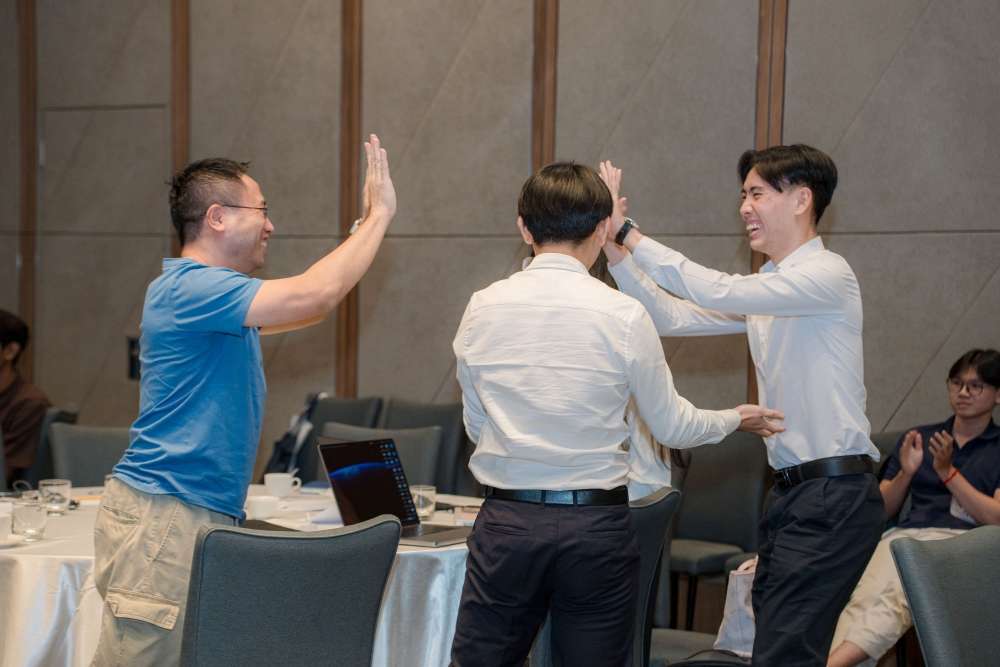
បន្ទាប់ពី Ideathon ពួកយើងបានចំណាយពេលបន្ថែមក្នុងការអភិវឌ្ឍផលិតផលគំរូ ស្រាវជ្រាវបន្ថែម និងកែលម្អកម្មវិធី។ ក្នុងអំឡុងដំណើរការនេះ ពួកយើងបានយល់ដឹងកាន់តែទូលំទូលាយអំពីបញ្ហាលំអៀងទិន្នន័យ និងអភិវឌ្ឍជំនាញដើម្បីជួយដោះស្រាយបញ្ហាទាំងនេះតាមដំណាក់កាល។ ពួកយើងក៏ត្រូវបានអញ្ជើញដោយលោក Dixon ឱ្យបង្ហាញគម្រោងក្នុងសិក្ខាសាលាតាមអ៊ីនធឺណិតររបស់ Fujitsu ដែលមានអ្នកចូលរួមជាង ៩០នាក់ពីបណ្តាប្រទេសផ្សេងៗ។
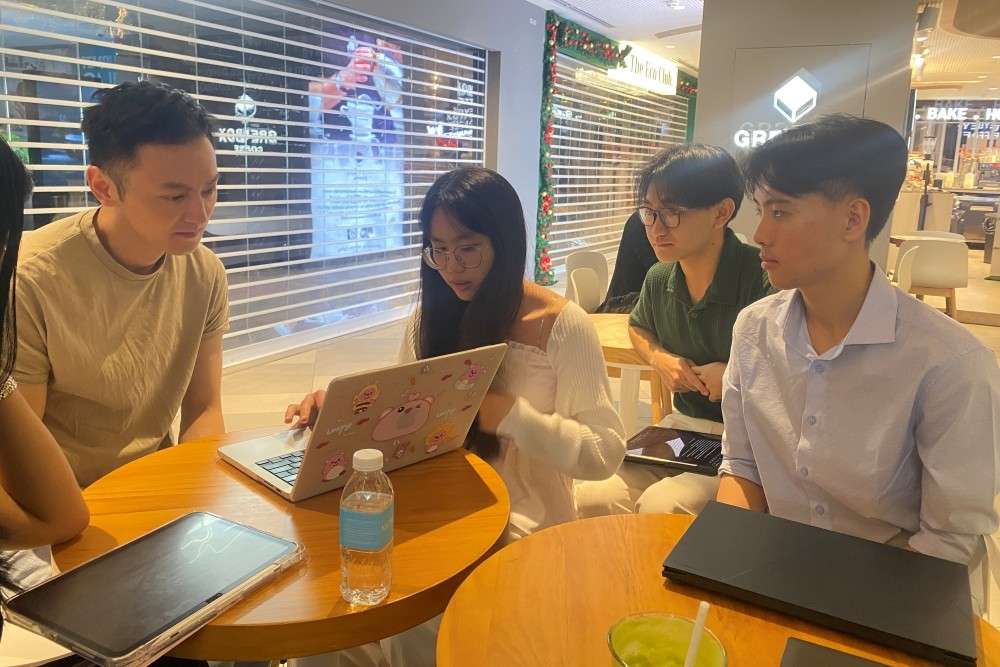
បន្តទៅខែធ្នូ ពួកយើងបានធ្វើដំណើរទៅប្រទេសសិង្ហបុរីសម្រាប់ដំណើរទស្សនកិច្ចសិក្សា។ ការទស្សនកិច្ចដំបូងគឺជួបជាមួយលោក Adrian Wan តំណាង Internet Society (ISOC) សិង្ហបុរី។ ពួកយើងបានបង្ហាញគំនិត គម្រោង និងទទួលបានមតិយោបល់ដែលមានប្រយោជន៍យ៉ាងខ្លាំង។ ពួកយើងក៏បានសិក្សាបន្ថែមអំពីបេសកកម្មរបស់ ISOC ក្នុងការកាត់បន្ថយគម្លាតឌីជីថល និងលើកកម្ពស់អ៊ីនធឺណិតដែលមានសុវត្ថិភាព និងបើកទូលាយសម្រាប់មនុស្សគ្រប់គ្នា។
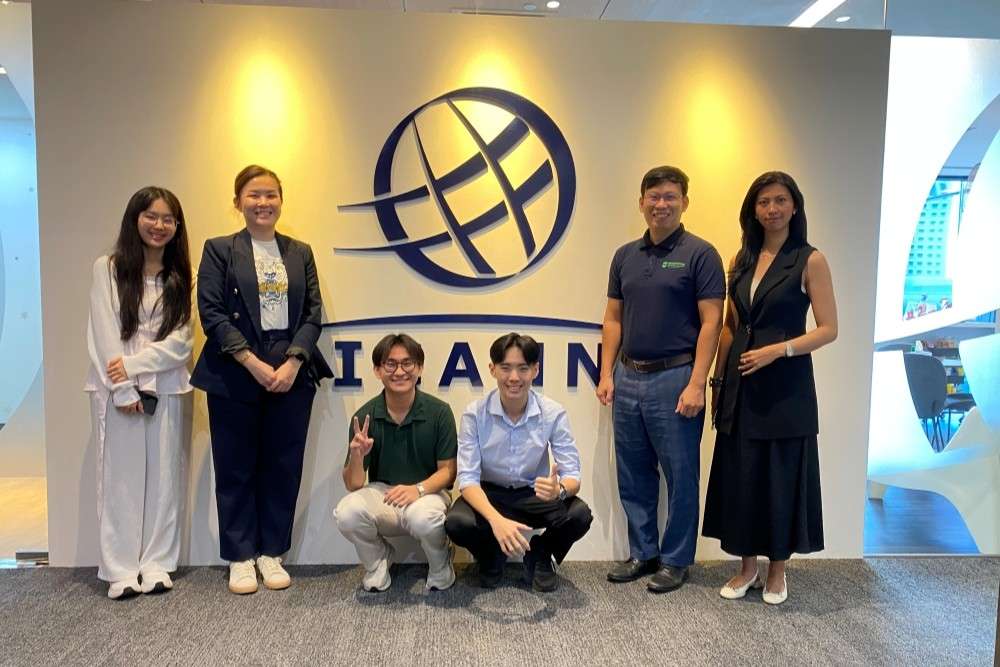
ការទស្សនកិច្ចសិក្សាបន្ទាប់គឺជួបជាមួយសាជីវកម្មអ៊ីនធឺណិត សម្រាប់ផ្តល់ឈ្មោះនិងលេខ (ICANN) សិង្ហបុរី ដែលពួកយើងត្រូវបានស្វាគមន៍យ៉ាងកក់ក្តៅដោយអ្នកស្រី Athena Foo។ នៅទីនោះ ពួកយើងបានសិក្សាអំពីអភិបាលកិច្ចអ៊ីនធឺណិត និងវិធីសាស្ត្រចូលរួមពីភាគីពាក់ព័ន្ធជាច្រើន ដែលមានតួនាទីសំខាន់ក្នុងការអភិវឌ្ឍគោលនយោបាយ ដើម្បីធានាថា អ៊ីនធឺណិតនៅតែមានភាពជឿជាក់ និងអាចចូលប្រើបានសម្រាប់មនុស្សគ្រប់ទីកន្លែង។
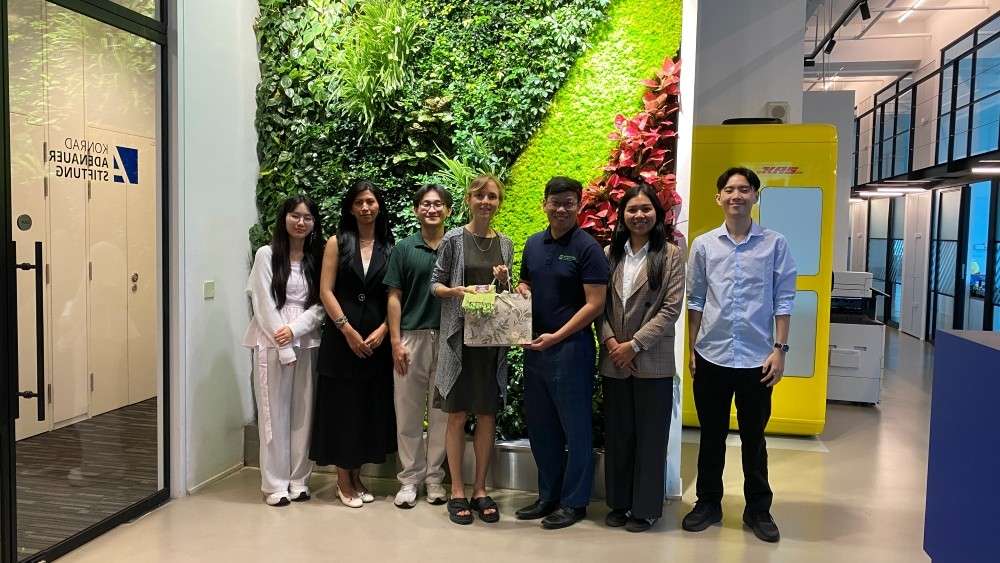
ពួកយើងបានបញ្ចប់ថ្ងៃដំបូងជាមួយការទស្សនកិច្ចទៅកានមូលនិធិខុនរ៉ាដអាឌិនណៅអ៊ែរ់ (KAS) សិង្ហបុរី ដែលជាសស្ថាប័នស្រាវជ្រាវគោលនយោបាយរបស់អាល្លឺម៉ង់។ ពួកយើងបានពិភាក្សាយ៉ាងទូលំទូលាយអំពីគោលនយោបាយ និងក្របខណ្ឌច្បាប់ពាក់ព័ន្ធនឹងអភិបាលកិច្ចទិន្នន័យ និងសុវត្ថិភាពបញ្ញាសិប្បនិម្មិត (AI) ព្រមទាំងសិក្សាអំពីវិធីសាស្ត្រទិន្នន័យបើកទូលាយ និងការអភិវឌ្ឍរដ្ឋាភិបាលឌីជីថលរបស់សិង្ហបុរី។
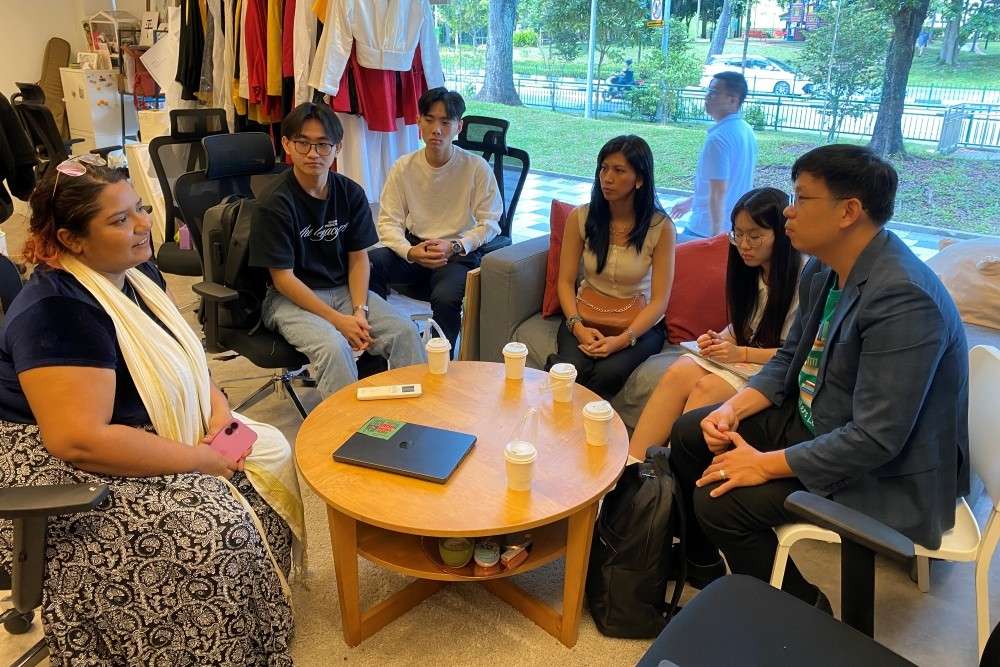
ថ្ងៃបន្ទាប់ ពួកយើងបានទៅទស្សនាក្រុមហ៊ុន Kontinentalist ដែលជាស្ថាប័នសរសេររឿងផ្អែកលើទិន្នន័យ និងមានបេសកកម្មភ្ជាប់គម្លាតរវាងការស្រាវជ្រាវ និងសាធារណជន។ វាគួរឱ្យចាប់អារម្មណ៍យ៉ាងខ្លាំងក្នុងការមើលឃើញថា ទិន្នន័យដែលស្មុគស្មាញ និងមើលទៅគួរឱ្យធុញទ្រាន់ អាចត្រូវបានបំប្លែងទៅជារឿងដែលទាក់ទាញតាមរយៈភាពច្នៃប្រឌិត។ ខ្ញុំបានទទួលការបំផុសគំនិតយ៉ាងខ្លាំងពីការងាររបស់ពួកគេ។ វាបានធ្វើឱ្យខ្ញុំយល់ថា ភាពច្នៃប្រឌិត និងការរចនាដែលគិតគូរយ៉ាងម៉ត់ចត់ អាចកំណត់ថារឿងមួយនឹងមានឥទ្ធិពល ឬត្រូវបានមើលរំលង។ ពួកយើងក៏បានសិក្សាពីដំណើរការសរសេរសាច់រឿង ចាប់ពីការប្រមូល និងសម្អាតទិន្នន័យ រហូតដល់ការវិភាគ ការបកស្រាយ និងការរចនាទស្សនីយភាព។
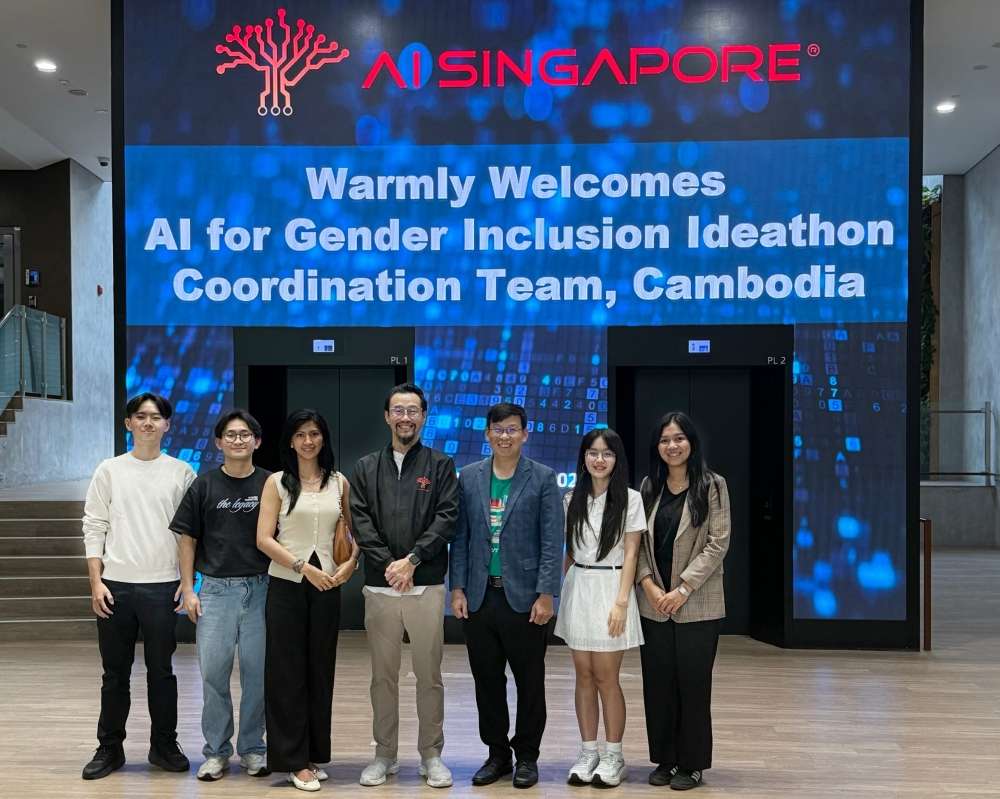
«ប្រទេសសិង្ហបុរីមិនមានធនធានធម្មជាតិទេ អ្វីដែលពួកយើងមានគឺទេពកោសល្យមនុស្ស» នេះគឺជាការលើកឡើងរបស់លោក Sengmeng Koo នាយកផ្នែកអភិវឌ្ឍន៍ទេពកោសល្យបញ្ញាសិប្បនិម្មិត (AI) នៅ AI Singapore។ ប្រយោគនេះសាមញ្ញ ប៉ុន្តែមានអត្ថន័យខ្លាំង។ វាបានរំលឹកខ្ញុំថា ទ្រព្យសម្បត្តិសំខាន់បំផុតរបស់ប្រទេសមួយ មិនមែនជាធនធានដែលមាននោះទេ ប៉ុន្តែជាមនុស្សដែលាវិនិយោគលើ។ ពួកយើងបានឃើញការរីកចម្រើននៃប្រព័ន្ធ AI នៅសិង្ហបុរី និងវិធីសាស្ត្ររបស់ពួកគេក្នុងការអភិវឌ្ឍទេពកោសល្យតាមរយៈកម្មវិធីផ្សេងៗ។
ខ្ញុំសូមថ្លែងអំណរគុណយ៉ាងជ្រាលជ្រៅដល់ អង្គការទិន្នន័យអំពីការអភិវឌ្ឍ (អូឌីស៊ី) ទីភ្នាក់ងារសហប្រតិបត្តិការអាល្លឺម៉ង់ (GIZ) ក្រសួងកិច្ចការនារី និងក្រសួងប្រៃសណីយ៍និងទូរគមនាគមន៍ សម្រាប់បទពិសោធន៍ដ៏មានតម្លៃនេះ។
ខ្ញុំក៏សូមថ្លែងអំណរគុណយ៉ាងជ្រាលជ្រៅចំពោះលោក ទ្រី ធី, កញ្ញា សួស ធីតា, លោក រ៉ូប៊ឺត ផាម និងក្រុមការងារអូឌីស៊ីទាំងអស់ ក៏ដូចជាកញ្ញា មេ សុខគន្ធារី និងក្រុមការងារ GIZ កម្ពុជា ចំពោះការគាំទ្រ និងការសម្របសម្រួលទាំងអស់របស់ពួកគេ ដែលធ្វើឱ្យបទពិសោធន៍ទាំងមូលនេះអាចធ្វើទៅបាន។
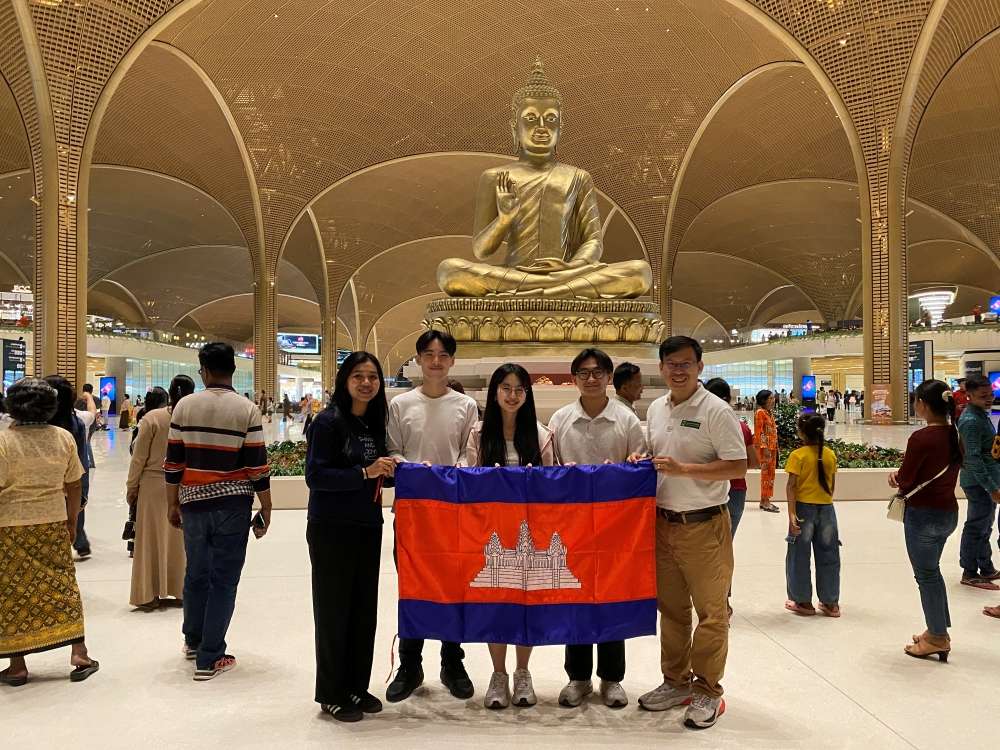
ជាចុងក្រោយ សូមអរគុណដល់មិត្តរួមក្រុមរបស់ខ្ញុំ គឺបញ្ញា និងមុយលាង សម្រាប់ការស៊ូទ្រាំដើរផ្លូវនេះជាមួយគ្នា និងចំពោះអ្នកណែនាំរបស់យើង គឺលោក Dixon Siu សម្រាប់ការណែនាំ និងការគាំទ្ររបស់គាត់នៅក្នុងគម្រោងរបស់យើង។ ជាចុងក្រោយ ខ្ញុំមានអំណរគុណចំពោះខ្លួនឯងដែលមិនបោះបង់ចោល ហើយសម្រេចចិត្តសាកល្បងម្តងទៀត។
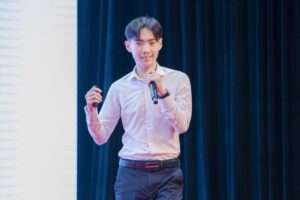 ខ្ញុំឈ្មោះ អ៊ឹង ឡៃម៉េង ជានិស្សិតឆ្នាំទី៣ នៃសាកលវិទ្យាល័យអាមេរិកាំងភ្នំពេញ (AUPP) សិក្សាជំនាញបច្ចេកវិទ្យាព័ត៌មាន និងគមនាគមន៍ (ICT)។ ខ្ញុំមានចំណាប់អារម្មណ៍យ៉ាងខ្លាំងទៅលើវិទ្យាសាស្ត្រទិន្នន័យ (Data Science) ជាពិសេសគឺការប្រើប្រាស់ទិន្នន័យសម្រាប់ការវិភាគ និងម៉ាស៊ីនសិក្សា ដើម្បីទាញយកនូវការយល់ដឹងស៊ីជម្រៅ ក៏ដូចជាជួយគាំទ្រដល់ការធ្វើសេចក្តីសម្រេចចិត្តឱ្យបានកាន់តែប្រសើរ។ ខ្ញុំធ្លាប់បានចូលរួមក្នុងគម្រោងពាក់ព័ន្ធនឹងទិន្នន័យមួយចំនួន ហើយគាត់សង្ឃឹមថានឹងអាចយកវិធីសាស្ត្រជំរុញដោយទិន្នន័យមកអនុវត្ត ដើម្បីដោះស្រាយបញ្ហាប្រឈមជាក់ស្តែង។

